
ReproFam brings together academics and researchers
working towards a deeper understanding of families.
Our Research
Our team conducts psychological research on family experiences shaped by assisted reproductive technologies (ART). We explore the perspectives of parents who use ART, such as IVF and donor conception, as well as those of the children conceived through these methods. We are also committed to understanding the unique experiences of LGBTQ+ individuals and families within these contexts.
About Us
The Reproduction and the Family (ReproFam) research group was formed by researchers who were previously based at the Centre for Family Research, University of Cambridge. The work is now based at City St Georges, University of London. We are passionate researchers, scholars, students, and collaborators who are dedicated to advancing knowledge in assisted reproduction and family diversity.
Projects
-
Embryo donation
We are currently conducting a qualitative interview-based study to understand theexperiences of people donating and receiving embryos as part of a directed donationprogramme. Directed or known donation is where recipients and donors connect andmeet with each other prior to treatment. Very little research has been conducted onthe experiences of using embryo donation, and even less…
-

Unregulated donation
Our research on unregulated (online/informal) reproductive donation highlights the experiences of donors, recipients and co‑parents connecting with each other using online matching platforms. For donors, we found that online sperm donors differed from clinic donors in that they were often older, more likely to have partners and children, and had more varied motivations and expectations,…
-

Surrogates and their families
This study examined the experiences and psychological health of surrogates and their families in the UK. The research found that most women who act as surrogates have positive experiences and do not suffer long‑term psychological harm as a result of surrogacy. Surrogates typically decide to carry a child for someone else for altruistic reasons, such…
-

Elective co-parenting families
Elective co-parenting, where parents who are not in a romantic relationship with each other decide to conceive and raise a child together is on the rise, partly facilitated by online connection sites and apps designed to help people search for parenting partners. This mixed methods study aimed to increase our understanding of family functioning and…
-

Single fathers through surrogacy
Our study of single fathers aimed to understand the experiences and psychological health of single fathers who became fathers following surrogacy and egg donation. Data were collected using interviews and questionnaires. The study showed that men who choose to become solo fathers through surrogacy usually do so very deliberately and with a great deal of…
-

IVF and egg donation families
This study followed families in the UK who had children through identifiable egg donation, where children can access the donor’s identity when they turn 18, or known donation. The research found that these families generally function well, with warm parent–child relationships and parents showing normal levels of psychological well‑being. Children were emotionally secure and reported…
-
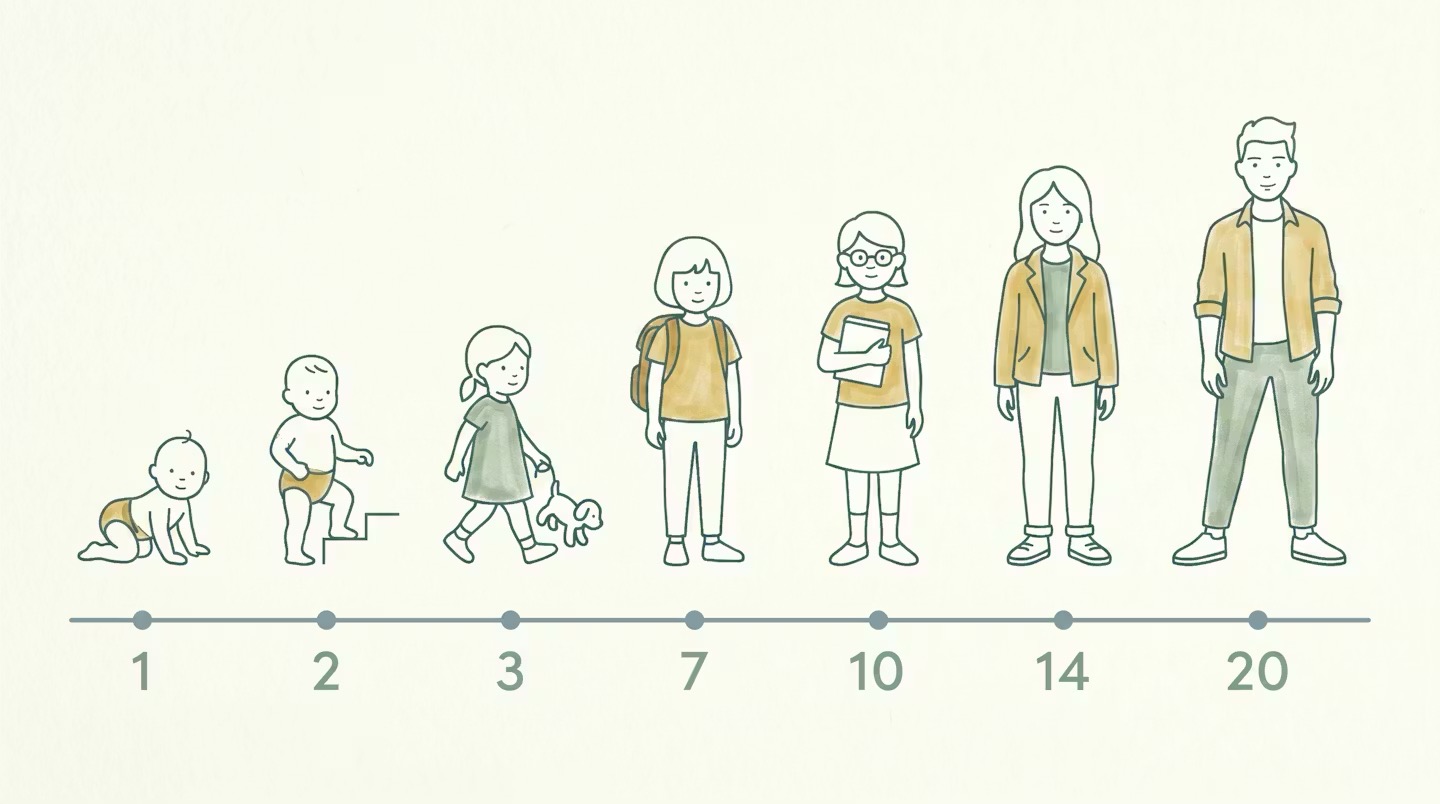
The UK Longitudinal Study of ART Families
This UK longitudinal study of families formed through Assisted Reproduction began at the turn of the century and has been following up families with a child born through surrogacy, egg donation, sperm donation from infancy into adulthood. The study took place over 7 phases, when the target child was aged 1, 2, 3, 7, 10,…
-

Requesting donor identity from the HFEA
This study aims to gather information from young adults born following identifiable gamete donation in the UK who have requested information about their donor’s identity from the Human Fertilisation and Embryology Authority. The study aims to understand the motivations for requesting information and the experiences of doing so. Data collection is currently underway.
-
New measure of prenatal bonding
Multiple scales have been developed to measure the connection (referred to as prenatal bonding or prenatal attachment), between expectant parents and the fetus; however, existing scales have predominantly been designed to understand the experiences of women gestating a biologically related child. This leaves out many parents-to-be, such as fathers, non carrying partners, non-biological parents and…