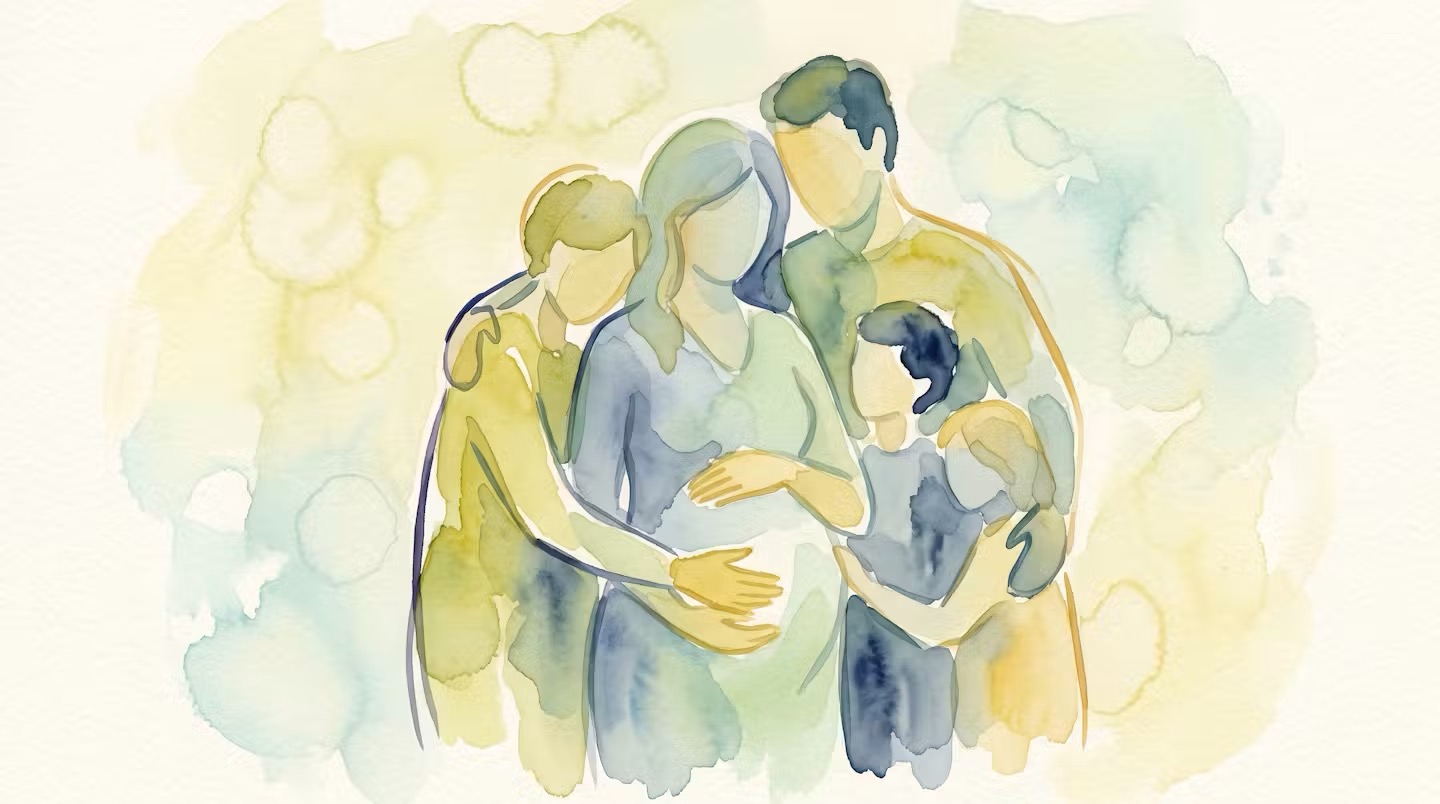
This study examined the experiences and psychological health of surrogates and their families in the UK. The research found that most women who act as surrogates have positive experiences and do not suffer long‑term psychological harm as a result of surrogacy. Surrogates typically decide to carry a child for someone else for altruistic reasons, such as wanting to help others have a family, rather than for financial gain. Surrogates generally cope well emotionally after the birth and do not usually experience problems giving the baby to the intended parents. When a group of surrogates were followed up 20 years after the birth, we found that many still felt proud of their role as a surrogate and reflected positively on their experiences. Contact between surrogates and the families they helped is common in the UK and is usually experienced as positive or neutral, with frequency of contact often declining over time.
Importantly, the research also shows that surrogates’ own children are not negatively affected. Surrogates’ own children understand that the baby was not their sibling and typically show good emotional well‑being. Overall, the findings challenge assumptions that surrogacy is risky or harmful for surrogates, and instead suggest that, in the UK context, surrogacy is usually a well‑managed and positive experience when it takes place with clear expectations, support, and openness.
Selected publications can be found below:
Jadva, V., Shaw, K., Hall, P., Ross, S., & Imrie, S. (2026). Surrogates 20 years on: long-term psychological health, contact with surrogacy families, and thoughts and feelings about post-birth contact. Human reproduction (Oxford, England), 41(2), 239–245. https://doi.org/10.1093/humrep/deaf234
Shaw, K., Imrie, S., Hall, P. and Jadva, V. (2024). ‘It’s all settled on the right page’ surrogates’ feelings and reflections of surrogacy two decades on. Human Reproduction, 39(12), pp. 2734-2742. doi:10.1093/humrep/deae216
Jadva, V., Imrie, S. and Golombok, S. (2015). Surrogate mothers 10 years on: a longitudinal study of psychological well-being and relationships with the parents and child. Human Reproduction, 30(2), pp. 373-379. doi:10.1093/humrep/deu339
Imrie, S. and Jadva, V. (2014). The long-term experiences of surrogates: relationships and contact with surrogacy families in genetic and gestational surrogacy arrangements. Reproductive BioMedicine Online, 29(4), pp. 424-435. doi:10.1016/j.rbmo.2014.06.004
Jadva, V. and Imrie, S. (2014). Children of surrogate mothers: psychological well-being, family relationships and experiences of surrogacy. Human Reproduction, 29(1), pp. 90-96. doi:10.1093/humrep/det410
Jadva, V., Blake, L., Casey, P. and Golombok, S. (2012). Surrogacy families 10 years on: relationship with the surrogate, decisions over disclosure and children’s understanding of their surrogacy origins. Human Reproduction, 27(10), pp. 3008-3014.